
News

As immune health becomes a major focus in today’s world, vitamin D has gained attention beyond its traditional role in bone health. Often called the “sunshine vitamin,” vitamin D also plays a vital role in regulating the immune system.
But here’s the real question: Is sunlight enough to meet our vitamin D needs? Let’s dive in.
What is Vitamin D?
Vitamin D is a fat-soluble vitamin produced by the skin when exposed to ultraviolet B (UVB) rays from the sun. Once metabolized into its active form, calcitriol, it plays a crucial role in supporting the immune system by:
- Enhancing immune cell function (e.g., T cells, macrophages)
- Regulating the body’s inflammatory response
- Strengthening defense against viruses and bacteria
A growing body of research links vitamin D deficiency to:
- Increased risk of respiratory infections
- Higher levels of chronic inflammation
- Greater susceptibility to autoimmune diseases
Based on research, the evidence of a link between vitamin D deficiency and adverse outcomes is overwhelming, it clearly points towards avoidance of vitamin D deficiency. “Vitamin D deficiency is associated with increased susceptibility to infection.”– Martineau et al., 2017 (BMJ)
So, Is Sunlight Enough?
In theory, sunlight exposure can generate sufficient vitamin D. However, several factors limit this natural production:
- Geographic location (living far from the equator)
- Time of day & season (UVB is strongest between 10 am–2 pm)
- Sunscreen use
- Darker skin tone (requires longer exposure)
- Indoor lifestyle
These realities mean that not everyone can rely solely on the sun to meet their vitamin D needs. In addition to sunlight, you can get vitamin D from:
- Foods: fatty fish (salmon, mackerel), egg yolks, beef liver
- Fortified foods: milk, cereals, margarine
- Supplements: recommended for individuals at high risk of deficiency
Sunlight is important, but not always sufficient. To support your immune system effectively, you should:
- Get safe sun exposure regularly
- Eat vitamin D-rich foods
- Consider supplementation if needed (consult a healthcare provider)
In immune health, balance is everything — nourish your defenses from within and outside.

When we talk about immune health, many people immediately think of vitamins or exercise. However, there is a “hidden hero” within our bodies that plays an equally crucial role: the gut microbiome. The gut microbiome refers to the community of trillions of microorganisms — including bacteria, viruses, and fungi — that live in our digestive tract. These microorganisms are not passive residents; they actively shape and support our immune system.
Microbiome: The “Trainer” of the Immune System.
From birth, the gut microbiome helps educate the immune system to distinguish between “friend” and “foe.” It teaches our body to:
- Tolerate harmless substances like food.
- Attack harmful pathogens such as viruses and disease-causing bacteria.
The gut microbiome also plays a crucial role in regulating inflammation, the body’s immune response to threats. When the microbiome balance is disrupted (a condition known as dysbiosis), it can lead to excessive inflammation and an increased risk of autoimmune diseases, allergies, and chronic infections.
Important Fact:
Approximately 70–80% of the human immune cells are located in the gut tissue, particularly in the gut-associated lymphoid tissue (GALT). This highlights how integral gut health is to overall immune function.
What Damages the Gut Microbiome?
Several factors can harm the balance of the gut microbiota, including:
- Diets high in sugar and low in fiber.
- Overuse of antibiotics.
- Lack of sleep and chronic stress.
- Limited exposure to natural environments.
How to Support and Strengthen the Microbiome
To maintain a healthy gut microbiome and an optimal immune system:
- Increase intake of prebiotic foods like garlic, bananas, and asparagus.
- Consume fermented foods such as yogurt, kefir, kimchi, and tempeh.
- Limit antibiotic use to when absolutely necessary.
- Stay active and manage stress through physical activity and relaxation techniques.
The gut microbiome is not just a passive resident of our bodies but a vital partner in maintaining immune defense. By supporting a balanced microbiome through healthy eating and lifestyle habits, we can naturally strengthen our immune system and enhance overall wellness.

Stress is an unavoidable part of life, and it can come from many different sources—work pressures, personal challenges, or even positive life changes. While stress is a natural response, it can become overwhelming when not managed properly. One of the most effective ways to reduce stress is through light exercise. Physical activity not only benefits the body but also has a profound impact on mental well-being, helping to alleviate stress and improve mood.
Why Does Exercise Help Reduce Stress?
When we experience stress, our body releases hormones such as adrenaline and cortisol—the body’s natural response to perceived threats. This “fight or flight” response is helpful in short bursts, but chronic stress can lead to harmful effects on the body, such as increased blood pressure, digestive issues, and weakened immune function.
Light exercise helps counteract these negative effects by releasing endorphins, often referred to as “feel-good” hormones. These endorphins help reduce pain and improve mood, giving us a sense of well-being. Moreover, light exercise, such as walking, yoga, or cycling, can reduce muscle tension and calm the restless mind, offering an immediate relief from stress.
Types of Light Exercise That Help Combat Stress
- Walking
Taking a brisk walk outdoors, especially in nature, can provide an incredibly calming effect. Walking not only improves circulation and cardiovascular health, but it also gives the mind a chance to slow down, reflect, and focus on the present moment. Try walking for 15-30 minutes each day and experience the benefits of reduced stress and improved mood. - Yoga and Pilates
Yoga and Pilates combine gentle movements with deep breathing techniques. Both forms of exercise are highly effective for reducing stress as they help improve flexibility, alleviate muscle tension, and focus the mind. Yoga, especially practices like Hatha Yoga and Vinyasa, has been shown to lower anxiety levels and enhance sleep quality. - Cycling
Cycling is a low-impact cardiovascular exercise that can be both fun and relaxing. Cycling outdoors gives you the opportunity to immerse yourself in the environment, helping you momentarily escape the stresses of daily life. Cycling for 20-30 minutes can effectively reduce stress and improve your overall mood.
Additional Psychological Benefits of Light Exercise
Besides reducing stress, light exercise offers several other psychological benefits, including:
- Improved Sleep Quality: Regular physical activity can improve sleep patterns, helping you feel more rested and energized.
- Increased Self-Esteem: Engaging in physical activity makes you feel stronger and healthier, boosting confidence and self-worth.
- Reduced Anxiety and Depression: Studies have shown that exercise is an effective treatment for reducing symptoms of anxiety and depression, sometimes even acting as a natural alternative to medication.
Light exercise is not just for maintaining physical fitness but also plays a crucial role in calming the mind and reducing stress. By incorporating simple and enjoyable physical activities into your daily routine, you can combat the harmful effects of stress and improve your overall quality of life. So, start moving today and experience the positive changes for both your body and mind!

Stress is an unavoidable part of life. Everyone experiences it — whether it’s due to work deadlines, academic exams, or personal challenges. However, while stress is often seen as the enemy, it can actually be a friend that helps us in certain situations. The key is understanding how to manage and respond to stress.
What is Stress?
According to Lazarus and Folkman (1984), stress is defined as “a particular relationship between the person and the environment that is appraised by the person as taxing or exceeding his or her resources and endangering his or her well-being.” In other words, stress occurs when the demands of a situation exceed an individual’s ability to cope effectively. This perception of imbalance between demands and resources is central to understanding stress.
Types of Stress
There are two primary types of stress: eustress and distress
Positive Stress: Eustress
Not all stress is bad. There is a type of stress called eustress, or positive stress, which can motivate us to achieve great things. Eustress typically arises in situations that provide a challenge, such as preparing for a job interview, an important presentation, or an exam. Even though it brings tension, eustress helps us focus, boosts energy levels, and enhances performance. In this case, stress can be a driving force toward success.
Negative Stress: Distress
However, when stress becomes prolonged or overwhelming, it can turn into distress, which has negative consequences on both our body and mind. Distress is often associated with physical symptoms such as headaches, fatigue, digestive issues, and sleep disturbances. Psychologically, prolonged stress can lead to anxiety, depression, and even post-traumatic stress disorder (PTSD) for some individuals.
Why is Understanding Stress Important?
Understanding stress is crucial because it allows us to recognize when stress is beneficial and when it becomes harmful. Without proper awareness, stress can linger and contribute to serious health problems. Therefore, recognizing the signs of harmful stress and learning how to manage it effectively is essential to maintaining a healthy and balanced life.
How to Manage Stress Effectively
- Deep Breathing: Slow, deep breathing techniques can help lower physical tension and calm the mind.
- Regular Exercise: Physical activity boosts endorphin levels, which naturally alleviate stress and improve mood.
- Mindfulness and Meditation: These practices help us stay present in the moment and reduce anxiety about the future or regrets from the past.
- Adequate Sleep: Insufficient sleep can exacerbate stress, while getting enough rest allows the body and mind to recover.
Stress, though often viewed as a negative force, actually serves a dual purpose: it can be both an enemy and a friend. By understanding how stress affects our body and learning how to manage it, we can turn stress into a tool for growth rather than allowing it to hinder our well-being. Let’s learn to recognize stress and handle it wisely for a healthier and happier life.

Aging is a natural and inevitable part of life, but how we age can make all the difference. Healthy aging is not about stopping the clock — it’s about optimizing health, function, and well-being throughout our lifespan. Whether you’re in your 30s, 50s, or beyond, it’s never too early or too late to take steps toward healthier aging.
1. Exercise Regularly
Physical activities like walking, yoga, swimming, or cycling help maintain muscle strength and flexibility. Exercise also improves heart health, blood circulation, and helps manage a healthy weight. Additionally, staying active can reduce the risk of chronic conditions like diabetes, hypertension, and osteoporosis.
2. Keep Mentally Active
Stimulating your brain through reading, learning new skills, solving puzzles, or picking up new hobbies can help preserve memory and prevent cognitive decline. Mental engagement is linked to better quality of life in older age.
3. Avoid Unproductive Stress
Chronic stress can accelerate biological aging. Deep breathing exercises, meditation, time management, or pursuing hobbies are effective ways to manage stress. It’s also important to recognize your limits and avoid overexertion.
4. Get a Good Night’s Sleep
Getting enough quality sleep (about 7–8 hours per night) supports cell regeneration, strengthens the immune system, and helps balance hormones. Sleep disturbances are common with aging, so creating a healthy bedtime routine is essential.
5. Sociallize With Others
Spending time with family or friends, joining community activities, or simply having regular conversations can boost happiness and reduce the risk of depression and dementia. Social isolation has been shown to negatively affect mental health in older adults.
6. Eat Light and Healthy
A balanced diet with plenty of fruits, vegetables, lean proteins, and healthy fats helps maintain energy levels, ideal weight, and organ function. It’s also important to limit intake of sugar, salt, and processed foods.

Menopause is the natural biological process that marks the end of a woman’s reproductive years. It is officially diagnosed after 12 consecutive months without menstruation and is mainly caused by the decline in ovarian hormone production, especially estrogen and progesterone (WHO, 1996).
As the hormone levels decrease, women can experience a wide variety of symptoms, which can be grouped into physical and emotional/mental changes.
Common Physical Symptoms of Menopause
- Hot Flashes
A sudden feeling of heat, usually in the face, neck, and chest. These can last from a few seconds to several minutes and are often unpredictable. - Night Sweats
Excessive sweating during sleep, often associated with hot flashes, which may disrupt sleep quality. - Vaginal Dryness
Due to decreased estrogen levels, the vaginal lining becomes thinner and less lubricated, causing discomfort or pain during intercourse. - Sleep Disturbances
Many women experience difficulty falling or staying asleep, often linked to night sweats or anxiety. - Palpitations
Some women report irregular heartbeats or a sensation that the heart is racing. - Joint and Muscle Pain
Aching joints and stiffness are commonly reported, especially in the mornings. - Reduced Libido
A decline in sexual desire is common during and after menopause. - Skin and Hair Changes
The skin may become drier and thinner, and hair may become thinner or more prone to falling out.
Common Mental/Psychological Symptoms of Menopause
- Mood Swings
Rapid emotional changes, such as feeling irritable or tearful without a clear reason. - Anxiety
A common increase in worry, restlessness, or feelings of unease. - Depression
Feelings of sadness, hopelessness, or a loss of interest in daily activities. - Memory Lapses / “Brain Fog”
Difficulty concentrating, forgetfulness, or feeling mentally sluggish. - Irritability
A tendency to get annoyed or frustrated more easily than usual.
Menopause is a normal life transition, not a disease. However, the symptoms can vary greatly in intensity and impact. Many women find relief through lifestyle changes, medical support, and open conversations about their experiences.

Menopause is a natural biological event that marks the end of a woman’s reproductive years. According to the World Health Organization (WHO, 1996), menopause is defined as the permanent cessation of menstruation resulting from the loss of ovarian follicular activity. It is diagnosed after 12 consecutive months without a menstrual period, not due to any pathological or physiological cause.
The report explains that menopause typically occurs between ages 45 and 55, with variations depending on genetics, environment, and overall health. It is not a disease, but a normal life transition that all women go through.
What Happens Biologically?
As a woman approaches menopause, her ovaries gradually reduce their production of steroid and peptide hormones, especially estrogen, progesterone, and inhibin. This hormonal decline leads to:
1. Irregular menstrual cycles
2. Eventual cessation of menstruation
3. Physical and psychological symptoms (such as hot flashes, mood changes, and sleep disturbances)
The WHO report highlights that the endocrine changes associated with menopause have wide-ranging effects on the body, influencing bone health, cardiovascular function, and mental well-being.
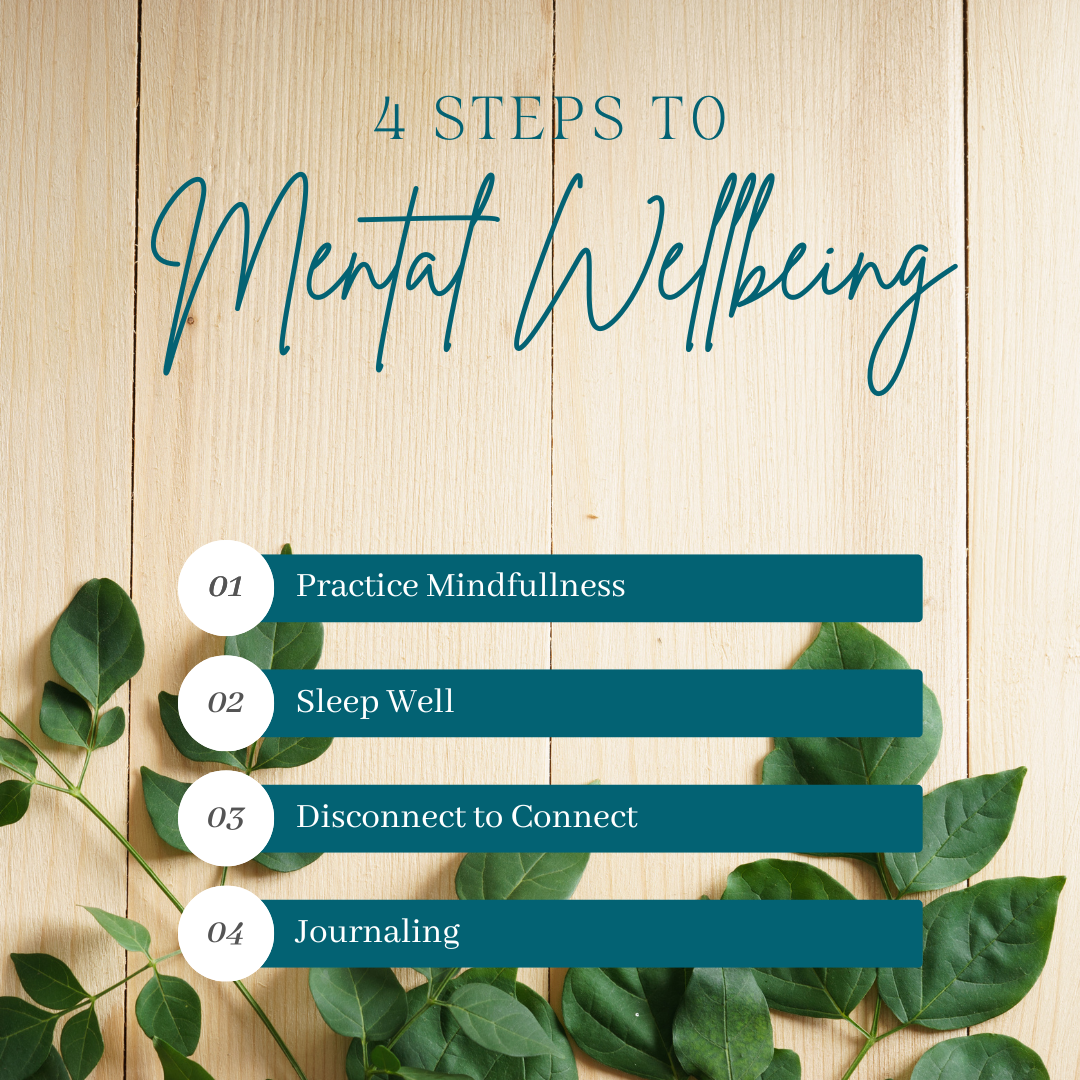
Lifestyle Medicine’s approach also starts from the principle that the human body and mind are not separate. What is good for the body is good for the mind. Mental well-being is a crucial pillar of Lifestyle Medicine, emphasizing the importance of emotional balance, psychological resilience, and stress management. A healthy mind contributes to overall well-being, improves decision-making, and enhances the ability to adopt and sustain positive lifestyle behaviors. By focusing on mental health, individuals can cultivate a more fulfilling and balanced life.
Several factors influence mental well-being, including physical activity, nutrition, sleep, and stress management techniques. Regular exercise releases endorphins, which help reduce anxiety and depression, while a nutrient-dense diet supports brain function and mood regulation. Adequate sleep is also essential, as it restores cognitive function, enhances emotional stability, and reduces the risk of mental health disorders. Additionally, mindfulness practices, such as meditation and deep breathing, can lower stress levels and improve overall mental resilience.
Social connections and emotional support also play a vital role in maintaining mental well-being. Positive relationships with family, friends, and the community provide a sense of belonging and reduce feelings of loneliness or isolation. Engaging in meaningful activities and fostering gratitude can further enhance emotional health. By prioritizing mental well-being through Lifestyle Medicine principles, individuals can create a strong foundation for a healthier, happier, and more balanced life.
Tips For Improving Mental Health
1. Practice Mindfullness, yoga, or meditation and spend time to relax and reduce stress and anxiety
2. Sleep Well, getting good quality sleep each night
3. Disconnect to Connect, reduce screen time and limit social media use
4. Journaling, keep a gratitude journal to nurture positive psychology and focus on thhe good things in life

Vitamin B Complex refers to a group of eight B vitamins that play a vital role in energy production, brain function, and cell metabolism. Since these vitamins are water-soluble, they are not stored in the body and must be consumed regularly through food.
Know your nutrition facts and make sure you’re getting everything you need for your foundational health.
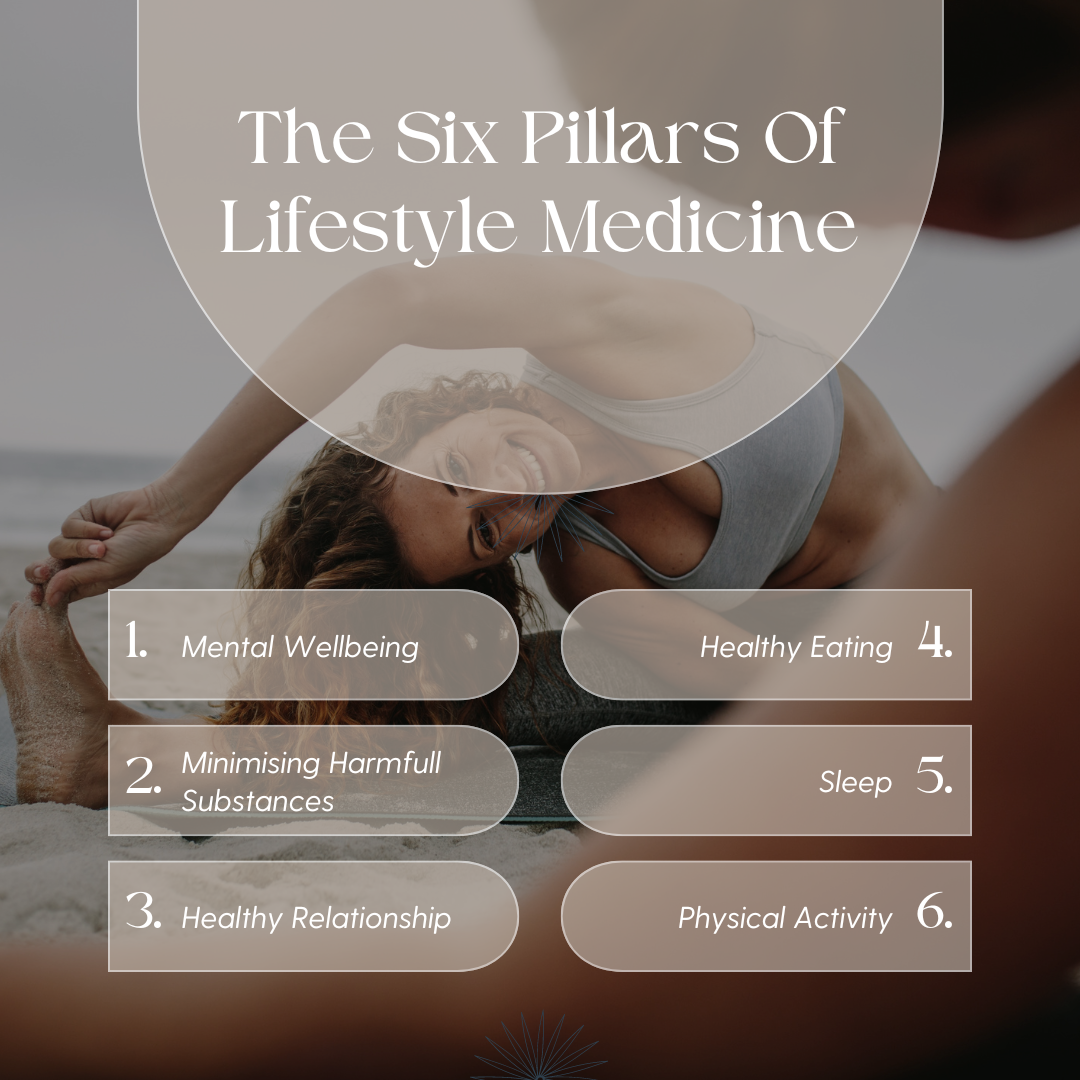
The Six Pillars of Lifestyle Medicine provide a comprehensive framework for improving overall health and preventing chronic diseases. These six pillars include mental wellbeing, minimising harmfull subtances, healthy relationship, healthy eating, restorative sleep, and physical activity. By addressing these key aspects of daily life, Lifestyle Medicine aims to promote long-term well-being and enhance the quality of life for individuals and communities.
Each pillar plays a crucial role in maintaining health. Healthy eating supports optimal body function and reduces the risk of conditions like heart disease and diabetes. Regular exercise strengthens the cardiovascular system, boosts mental health, and improves mobility. Quality sleep is essential for cognitive function, immune support, and emotional regulation, while stress management techniques, such as mindfulness and relaxation exercises, help reduce the impact of chronic stress on the body.
In addition to mental wellbeing, healthy relationship and minimising harmful substances are vital for overall health. Strong relationships provide emotional support and reduce the risk of mental health disorders, while avoiding tobacco, excessive alcohol, and other harmful substances prevents serious health complications. By integrating these six pillars into daily life, individuals can take a proactive approach to their health, leading to greater longevity, vitality, and resilience against diseases.